
Moving to Austria: Expat Guide & Relocation Hub
Monthly cost
$2,500–5,000
per month, expat lifestyle
Visa friction
Remote
Welcomed
Family fit
9/10
Language barrier
High
Healthcare
9/10
Quick take
Imperial grandeur, Alpine scenery, and one of the world's highest quality-of-life scores.
Essential context
Before you move here
Cost
$2,500–$5,000/month covers a comfortable expat lifestyle. City-center rent typically runs $1,400–$2,500/month.
Visa path
Friction rated: Moderate, manageable with preparation. Digital Nomad Visa is available.
Remote work
Remote income is welcomed. Broadband is rated good, coworking moderate.
Healthcare
Quality scores 9/10. Private insurance typically runs $60–$200/month per person.
Daily life
Local language is important, investment in learning pays off. Setting: Alpine, Historic.
Remote income welcomed, $2,500–$5,000/mo, strong family infrastructure, Austria works on multiple axes.
Imperial grandeur, Alpine scenery, and one of the world's highest quality-of-life scores. Austria rewards those who come for the long term with healthcare, education, and cultural infrastructure that is genuinely exceptional.
Moving to Austria means choosing one of the world's consistently highest-ranked countries for quality of life (Vienna regularly tops global livability indices and the reasons are visible in daily life. The cost of living in Austria runs $2,500–$5,000 per month, with Vienna at the higher end. Austria's digital nomad visa provides a pathway for non-EU remote workers, and the Red-White-Red Card is one of Europe's more structured skills-based immigration systems. Austria for families delivers extraordinary public infrastructure: world-class schools, near-universal healthcare coverage, public transport that functions with Swiss-like precision, and a cultural calendar that is genuinely world-class. German is not optional for real integration) but Vienna's English proficiency in professional contexts is high, and the transition period is manageable. The Austrian Alpine lifestyle (skiing in winter, hiking in summer, thermal spas year-round) adds a dimension of outdoor living that is unusual in a capital city.
Good for
Fit assessment
This move works well if you...
- ✓Families
- ✓Culture Lovers
- ✓Those prioritising quality of life
- ✓Outdoor Enthusiasts
Pause and reconsider if...
- —High cost of living
- —German language essential
- —Formal culture
- —Expensive compared to Eastern European peers
The full guide includes a "Not For You" section with detailed deal-breakers specific to Austria. Download the guide →
Cost Breakdown (Monthly)
Typical monthly estimate for a single expat. Approximate costs in USD.
Rent (City Center)
1-bedroom, monthly
$1,400–$2,500
Rent (Outside Center)
1-bedroom, monthly
$1,000–$1,800
Groceries
single person, monthly
$300–$500
Dining Out
casual meals, monthly estimate
$15–$30
Utilities
electricity, water, internet
$120–$200
Transport
local transport, monthly
$50–$80
Approximate costs only. Local prices vary with exchange rates and neighborhood. Expat-heavy areas typically run higher.
Budget by household type
How much does it actually cost?
Solo
$2,500–$3,625
/month
Varies by city
Couple
$3,750–$5,000
/month
City center or suburbs
Family of 4
$5,000–$8,250
/month
Major city recommended
Ranges based on EMELA research. Actual costs vary by city, lifestyle, and housing choice. Build your personal estimate →
Work & visa readiness
Moderate complexity, manageable with preparation; professional help is common
EU/EEA nationals move freely. Non-EU nationals can apply for the Red-White-Red Card (skills-based), a job seeker visa, or the Digital Nomad Visa (launched 2024). Processing is organized and predictable by European standards.
Programs & incentives
- Digital Nomad Visa
- Red-White-Red Card
- Zuzugsbegünstigung (relocation incentives for some professions)
Visa assistance
Need help with visas?
Navigating Austria's visa process can involve document checklists, translations, and specific submission windows.
Check visa options →Quality of Life
How life actually feels here
Daily Life
Local language recommended
Family
Mobility
Airport access
Vienna International (VIE), major European hub with excellent intercontinental connections.
Social reality for newcomers
Vienna is one of Central Europe's most internationally oriented capitals (a large diplomatic, academic, and expat professional community is permanently embedded in the city. Significant Turkish, Balkan, and South Asian communities have lived in Vienna for decades, normalising visible diversity in daily urban life. Professional environments in Vienna are formally neutral and inclusive. Black and African expats in Vienna navigate daily life comfortably in the main city. Rural Austria and smaller cities are more traditional and socially homogeneous) not hostile, but less internationally experienced. Austrian reserve is a cultural baseline that applies universally rather than selectively toward any particular background.
City and rural experience vary significantly here, urban and smaller-town life can feel quite different.
Healthcare (Expat Reality)
Typical costs for private care. Not medical advice, ranges are approximate.
Monthly insurance
$60–$200
private health insurance, per person
Doctor visit
$20–$60
general practitioner, out-of-pocket
Major procedures
Public healthcare is comprehensive for registered residents. Austria's system is well-funded and high quality.
Most residents are covered through the public Krankenkasse system. Private top-up is optional and moderately priced.
International school costs
Typical annual tuition
$8,000 – $28,000
per year, international schools
Approximate monthly equivalent
$650 – $2,300
per child, per month
Expat reality
Vienna has several strong international schools (AIS, Vienna International School) with high demand. Public schools are excellent but German-medium.
Ranges reflect international / private schools. Public schooling is available at little or no cost in most countries.
On the ground
Local Realities
Daily Life
- 01
Vienna's café culture is a UNESCO Intangible Cultural Heritage, the Kaffeehäuser are not cafés in the modern sense; they are institutions with distinct personalities, newspapers, and an expectation that you will stay for hours.
- 02
Austria's Sunday and public holiday culture is genuinely observed, shops close completely on Sundays, and life genuinely slows around public holidays in a way that requires planning.
Culture
- 03
Austrian culture has a formal quality, titles are used, introductions matter, and directness without warmth can read as rudeness. Matching the level of formality in the context you're in is worth learning.
Reality
- 04
Vienna rent has risen sharply, quality one-bedrooms in central districts like the 1st–9th now run €1,400–€2,500 per month, and availability is constrained. Outlying districts offer better value.
The honest reality check
Austria is expensive. Vienna is among Europe's priciest capitals for rent and daily life. German is essential for real integration outside the expat bubble; Austria's German is also distinct from Germany's. The bureaucracy is thorough and requires patience. Austrian culture has a formal quality that takes time to navigate.
Common tradeoffs to expect
Cities in Austria



Start here
The guides most relevant to your move.
The Full Cost of Living Abroad: What Budget Guides Leave Out
The costs that relocation budget guides consistently undercount, insurance, flights home, school fees, tax compliance, i…
Easiest Digital Nomad Visas Right Now
The digital nomad visas that are actually easy to obtain in 2026, with clear income requirements, straightforward applic…
Raising Children Abroad: A Realistic Family Relocation Guide
What raising children internationally actually involves, international school costs, pediatric healthcare, safety, socia…
Best Countries for Remote Workers
The countries that have built genuine infrastructure for remote work: evaluated on visa frameworks, internet quality, ti…
The Austria Relocation Guide, 2026
Research-grade · Delivered to your email
What's inside
- Budget breakdown by household type (Solo, Couple, Family)
- Visa pathway comparison with income requirements
- City deep-dives, 4 cities with neighborhood picks
- 90-day landing plan (Day 1–30, 31–60, 61–90)
- Banking, tax ID & lease practicalities
- Common mistakes and how to avoid them
- Monthly budget
- $2,500–$5,000 / month
- Visa complexity
- medium
Free · No paywall · Sent to your inbox
Typical housing
Other details
Prominent religion
Roman Catholic
Cannabis status
Cannabis: DecriminalizedStart here
Also worth knowing
Start with a short-term furnished rental for your first 4–8 weeks, it gives you time to explore neighborhoods in person before committing to a long-term lease.
Personal income tax rate
0–55%
Expat provision
No blanket expat tax regime. Austria's top rate is among Europe's highest. Treaty protections available for some income streams. Newcomers may benefit from relocation-cost deductions in first year.
Austria taxes worldwide income for residents. Top marginal rate of 55% applies above €1 million; 50% above €90,000. Social contributions are substantial for employed workers.
Tax laws change, verify current rules with a qualified tax adviser familiar with Austria.
Legal status
Same-sex marriage legal since 2019
Austria is generally accepting, particularly in Vienna. The capital's Naschmarkt and Mariahilfer Strasse areas have visible LGBTQ+ culture. Rural areas are more conservative.
Broadband
GoodMobile data
GoodCoworking spaces
ModerateTypical coworking day pass
$20–$40 USD/day
Required vaccinations / documents
EU Pet Passport accepted. ISO microchip and rabies vaccination required. Austria is very dog-friendly, dogs are permitted in many restaurants, public transport, and outdoor spaces.
Summary only, verify current official requirements before travel.
Practical tools
International Banking
Moving money across borders
Most people relocating abroad open a multi-currency account before they arrive. It handles international transfers more cleanly than a domestic bank and avoids the conversion fees that add up quickly.
See how Wise works →International Health Insurance
Health coverage for long-term expats
Standard travel insurance typically does not cover long-term residency abroad. Expat-specific health coverage is worth reviewing early — before any pre-existing conditions become a documentation issue.
Review SafetyWing coverage →Visa Processing
Navigating the application process
For many destinations, visa applications involve document checklists, translations, and specific submission windows. A processing service checks eligibility and handles the paperwork — common for first-time applications.
Check visa eligibility →
Next Step
Get clear before you decide
Most people reach this point and realize the details matter more than expected, visas, real costs, and what actually applies to them. This is where we help you make a confident decision.
Talk through your move with clarity
Apply for a free 30 minute call with one of our relocation specialists
Apply for a Call →Your personalized plan for Austria
City comparisons and neighborhood starting points, built around your quiz and budget answers.
$49 · Delivered within 24 hours
Quick reference · 2026
Austria. Key facts for expats
Monthly budget (solo)
$2,500–$5,000
Visa entry
Moderate process
Remote-work readiness
Remote income welcomed · Broadband: good
Best city for remote workers
Family viability
Highly family-friendly (9/10) · Healthcare: 9/10
Tax system
worldwide · Resident after 183 days
Why people move to Austria in 2026
Moving to Austria means choosing one of the world's consistently highest-ranked countries for quality of life (Vienna regularly tops global livability indices and the reasons are visible in daily life. The cost of living in Austria runs $2,500–$5,000 per month, with Vienna at the higher end. Austria's digital nomad visa provides a pathway for non-EU remote workers, and the Red-White-Red Card is one of Europe's more structured skills-based immigration systems. Austria for families delivers extraordinary public infrastructure: world-class schools, near-universal healthcare coverage, public transport that functions with Swiss-like precision, and a cultural calendar that is genuinely world-class. German is not optional for real integration) but Vienna's English proficiency in professional contexts is high, and the transition period is manageable. The Austrian Alpine lifestyle (skiing in winter, hiking in summer, thermal spas year-round) adds a dimension of outdoor living that is unusual in a capital city.
Frequently asked questions
How much does it cost to live in Austria?
Living in Austria typically costs $2,500–$5,000 per month for a comfortable expat lifestyle. A one-bedroom apartment in the city center rents for $1,400–$2,500/month; outside the center, expect $1,000–$1,800/month. Monthly groceries run $300–$500 and transport around $50–$80.
What visa do I need to move to Austria?
EU/EEA nationals move freely. Non-EU nationals can apply for the Red-White-Red Card (skills-based), a job seeker visa, or the Digital Nomad Visa (launched 2024). Processing is organized and predictable by European standards. Available relocation programs include: Digital Nomad Visa, Red-White-Red Card, Zuzugsbegünstigung (relocation incentives for some professions).
Is Austria good for remote workers?
Austria is well-suited for remote workers. Internet infrastructure is rated good, with coworking spaces moderate across the country at approximately $20–40/day. Mobile data reliability is good.
What is healthcare like in Austria for expats?
Austria scores 9/10 for healthcare quality. Most residents are covered through the public Krankenkasse system. Private top-up is optional and moderately priced. Expat health insurance typically costs $60–$200/month, with a typical doctor visit around $20–$60.
What are the tax implications of moving to Austria?
Austria taxes worldwide income for residents. Top marginal rate of 55% applies above €1 million; 50% above €90,000. Social contributions are substantial for employed workers. No blanket expat tax regime. Austria's top rate is among Europe's highest. Treaty protections available for some income streams. Newcomers may benefit from relocation-cost deductions in first year. Austria uses a worldwide income tax system with personal rates of 0–55%. Tax residency is generally triggered after 183 days in-country.
Similar destinations to consider

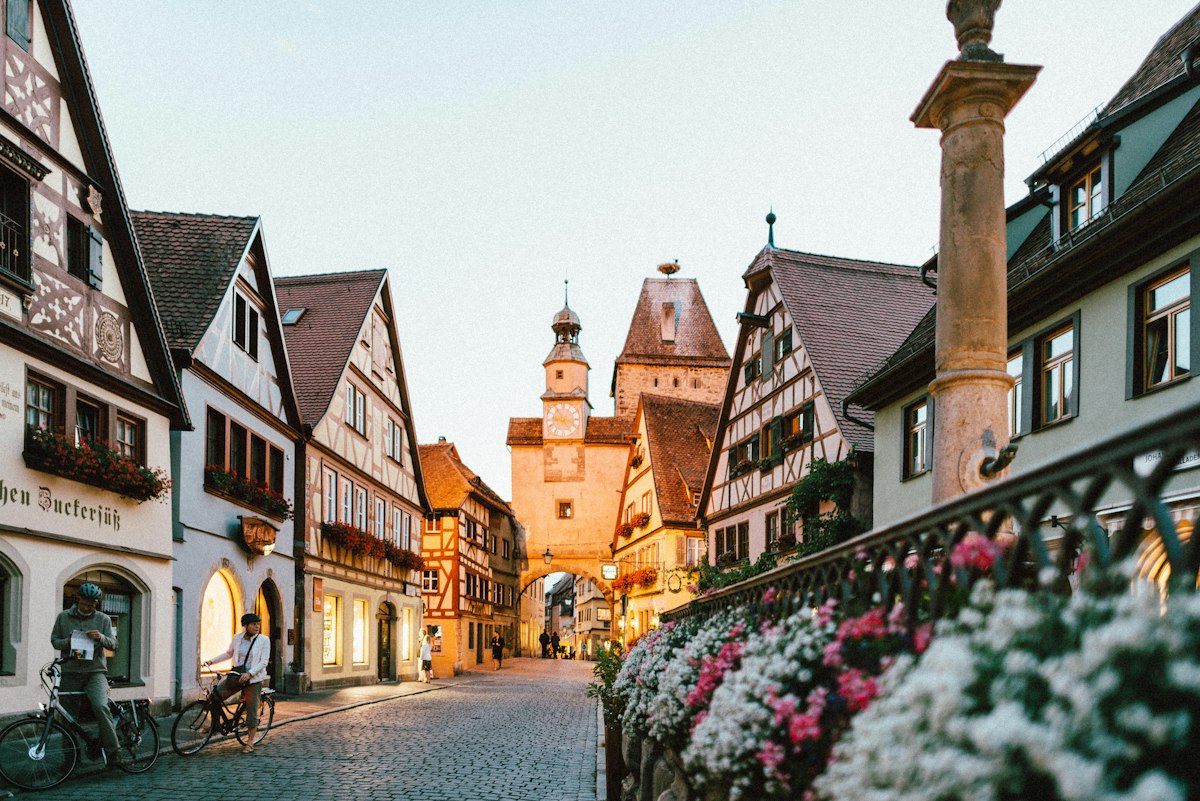

Quick take
Imperial grandeur, Alpine scenery, and one of the world's highest quality-of-life scores.
Best for
Thinking About Making The Move? We're Here to Help.
Talk through your move with clarity
Apply for a free 30 minute call with one of our relocation specialists
We'll break down what actually applies to you, visa paths, real costs, and the risks most people don't see coming.
Apply for a Call →Your personalized plan for Austria
Your quiz and budget answers, mapped against the main cities: with neighborhood starting points and a realistic cost picture for your situation.
$49 · Delivered within 24 hours