
Moving to Philippines: Expat Guide & Relocation Hub
Monthly cost
$1,000–2,500
per month, expat lifestyle
Visa friction
Remote
Welcomed
Family fit
7/10
Language barrier
Low
Healthcare
6/10
Quick take
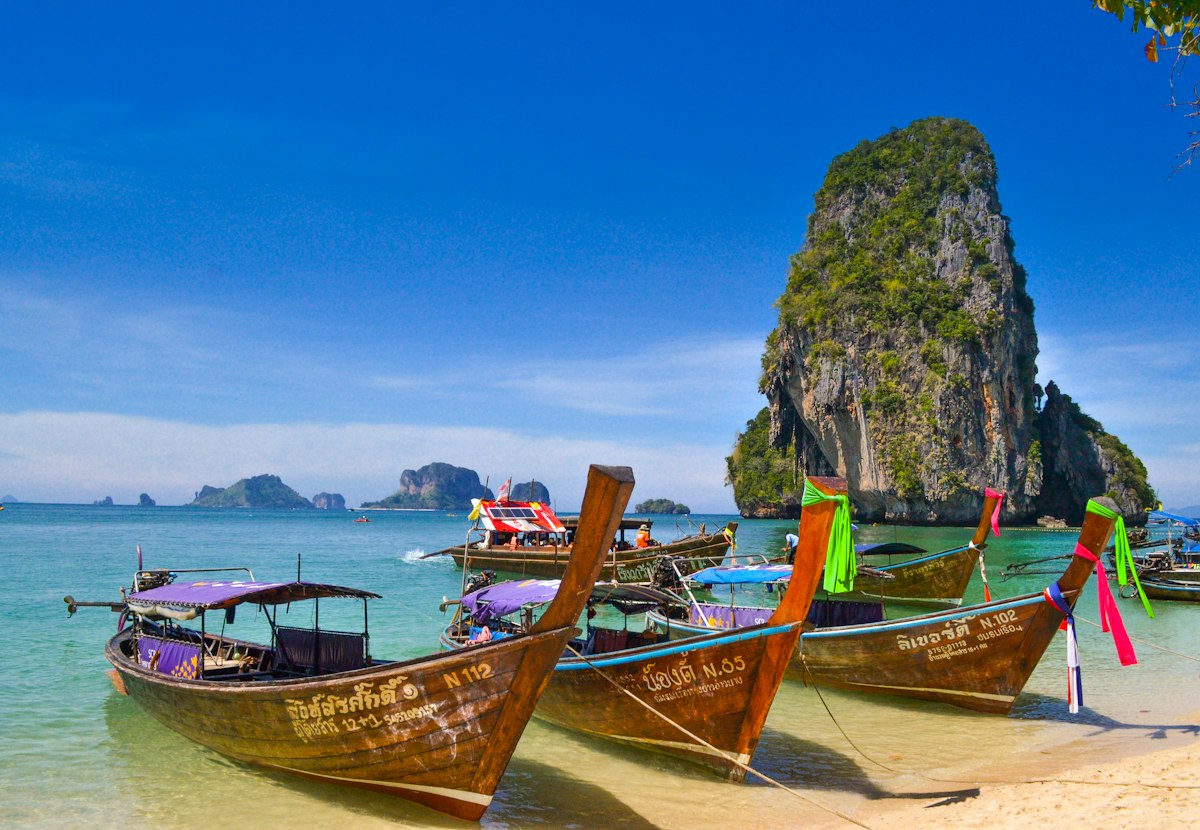
Southeast Asia's most English-fluent archipelago, 7,600 islands, extraordinary diving, a deeply warm culture, and a cost of living that makes comfortable life accessible at almost any budget..
Essential context
Before you move here
Cost
$1,000–$2,500/month covers a comfortable expat lifestyle. City-center rent typically runs $500–$1,200/month.
Visa path
Friction rated: Moderate, manageable with preparation. SRRV (Special Resident Retiree's Visa) is available.
Remote work
Remote income is welcomed. Broadband is rated fair, coworking moderate.
Healthcare
Quality scores 6/10. Private insurance typically runs $40–$130/month per person.
Daily life
English is widely spoken, integration barrier is low. Setting: Tropical, Island.
$1,000–$2,500/mo, medium visa friction, Philippines is a decisive choice for Retirees.
Southeast Asia's most English-fluent archipelago, 7,600 islands, extraordinary diving, a deeply warm culture, and a cost of living that makes comfortable life accessible at almost any budget.
Moving to the Philippines is the choice of the expat who values English-language fluency above almost all else in Southeast Asia (a country where the language barrier is essentially zero, the warmth is genuine, and the cost of living runs $1,000–$2,500 per month for a comfortable life. The Philippines for remote workers offers territorial taxation) foreign-sourced income is not taxed in the Philippines, making it among the region's most favorable tax environments for location-independent earners. The SRRV provides long-term residency for retirees with qualifying deposits. Philippines for beach lovers and divers is extraordinary: the Visayas, Palawan, and Siargao are world-class. The trade-offs are real: Manila traffic is legendary in its severity, typhoon season affects planning, and infrastructure quality varies significantly between Manila condos and provincial living.
Good for
Fit assessment
This move works well if you...
- ✓Retirees
- ✓Beach and Diving Enthusiasts
- ✓English-Priority Expats
- ✓Remote Workers
Pause and reconsider if...
- —Manila traffic is extreme
- —Typhoon season disrupts plans
- —Inconsistent infrastructure
- —Visa complexity for long-stay non-retirees
The full guide includes a "Not For You" section with detailed deal-breakers specific to Philippines. Download the guide →
Cost Breakdown (Monthly)
Typical monthly estimate for a single expat. Approximate costs in USD.
Rent (City Center)
1-bedroom, monthly
$500–$1,200
Rent (Outside Center)
1-bedroom, monthly
$300–$800
Groceries
single person, monthly
$150–$300
Dining Out
casual meals, monthly estimate
$4–$12
Utilities
electricity, water, internet
$80–$180
Transport
local transport, monthly
$30–$80
Approximate costs only. Local prices vary with exchange rates and neighborhood. Expat-heavy areas typically run higher.
Budget by household type
How much does it actually cost?
Solo
$1,000–$1,450
/month
Varies by city
Couple
$1,500–$2,500
/month
City center or suburbs
Family of 4
$2,500–$4,125
/month
Major city recommended
Ranges based on EMELA research. Actual costs vary by city, lifestyle, and housing choice. Build your personal estimate →
Work & visa readiness
Moderate complexity, manageable with preparation; professional help is common
The SRRV (Special Resident Retiree's Visa) is available to those 35+ with qualifying deposits. The Philippines offers 30-day visa-on-arrival extendable to 36 months. The 9(a) tourist visa with extensions is used by many expats. A formal digital nomad visa is in discussion but not yet launched.
Programs & incentives
- SRRV (Special Resident Retiree's Visa)
- Philippines Retirement Authority schemes
- 9(a) Tourist Visa Extensions
Visa assistance
Need help with visas?
Navigating Philippines's visa process can involve document checklists, translations, and specific submission windows.
Check visa options →Quality of Life
How life actually feels here
Daily Life
Low barrier
Family
Mobility
Airport access
Ninoy Aquino International (MNL), major hub with extensive regional and international connections; Cebu (CEB) also serves as a regional hub.
Social reality for newcomers
The Philippines has a long history with Western expats (particularly Americans) and the cultural relationship shapes a warm and accommodating reception. White Western expats often report being treated with considerable deference, which can be flattering and occasionally uncomfortable. Black American expats generally report a very positive experience; American cultural identity tends to override racial assumptions in most social contexts. Colorism exists within Philippine society and is openly discussed, but this tends not to translate into treatment of foreign expats, who occupy a separate social category. Filipino hospitality is a genuine cultural value and it is applied broadly. Manila and Cebu are much more internationally experienced than rural and island areas.
City and rural experience vary significantly here, urban and smaller-town life can feel quite different.
Healthcare (Expat Reality)
Typical costs for private care. Not medical advice, ranges are approximate.
Monthly insurance
$40–$130
private health insurance, per person
Doctor visit
$15–$60
general practitioner, out-of-pocket
Major procedures
Private hospitals in Manila (Makati Medical, St. Luke's) are competent and very affordable by Western standards.
Private international health insurance is strongly recommended. Makati and BGC hospitals serve the expat community well.
International school costs
Typical annual tuition
$3,000 – $15,000
per year, international schools
Approximate monthly equivalent
$250 – $1,250
per child, per month
Expat reality
International schools in Manila and Cebu (British School Manila, Brent International) offer good quality at moderate cost by global standards.
Ranges reflect international / private schools. Public schooling is available at little or no cost in most countries.
On the ground
Local Realities
Daily Life
- 01
Traffic in Metro Manila is a defining feature of daily life, commutes that look like 5km on a map can take 90 minutes in peak hours. Most experienced expats choose accommodation specifically to minimise this.
- 02
OFW culture (Overseas Filipino Workers) shapes the national psyche, approximately 10 million Filipinos work abroad, remittances represent 9% of GDP, and the experience of family separation and international navigation gives Filipinos an instinctive orientation toward newcomers arriving in a foreign country.
Culture
- 03
Family is the central institution in Philippine society, multi-generational households, remittance culture, and family obligation shape social and professional life in ways that take time to fully understand.
Reality
- 04
Typhoon season runs June–November and is not a minor inconvenience. Supertyphoons regularly cause significant disruption, particularly in the Visayas and northern Luzon. Having a plan matters.
The honest reality check
Traffic in Manila is among the world's worst, distances that look short on a map can take 2+ hours. Typhoon season (June–November) is real and affects the entire country. Infrastructure quality is inconsistent. Power outages occur. The political environment has been turbulent in recent years.
Common tradeoffs to expect
Cities in Philippines


Start here
The guides most relevant to your move.
The Full Cost of Living Abroad: What Budget Guides Leave Out
The costs that relocation budget guides consistently undercount, insurance, flights home, school fees, tax compliance, i…
Easiest Digital Nomad Visas Right Now
The digital nomad visas that are actually easy to obtain in 2026, with clear income requirements, straightforward applic…
Raising Children Abroad: A Realistic Family Relocation Guide
What raising children internationally actually involves, international school costs, pediatric healthcare, safety, socia…
Best Countries for Remote Workers
The countries that have built genuine infrastructure for remote work: evaluated on visa frameworks, internet quality, ti…
The Philippines Relocation Guide, 2026
Research-grade · Delivered to your email
What's inside
- Budget breakdown by household type (Solo, Couple, Family)
- Visa pathway comparison with income requirements
- City deep-dives, 4 cities with neighborhood picks
- 90-day landing plan (Day 1–30, 31–60, 61–90)
- Banking, tax ID & lease practicalities
- Common mistakes and how to avoid them
- Monthly budget
- $1,000–$2,500 / month
- Visa complexity
- medium
Free · No paywall · Sent to your inbox
Typical housing
Other details
Prominent religion
Roman Catholic
Cannabis status
Cannabis: IllegalStart here
Also worth knowing
Start with a short-term furnished rental for your first 4–8 weeks, it gives you time to explore neighborhoods in person before committing to a long-term lease.
Personal income tax rate
0–35% on Philippines-source income
Expat provision
Foreign-sourced income is not taxed in the Philippines for non-resident expats and for SRRV holders. This makes the Philippines among the most favorable tax environments for remote workers in Southeast Asia.
The Philippines can offer favorable treatment for foreign-sourced income in common expat scenarios, but outcomes depend on residency status, source of income, legal structure, visa category, and length of stay. Professional tax advice is recommended before assuming exemption.
Tax laws change, verify current rules with a qualified tax adviser familiar with Philippines.
Legal status
No legal recognition of same-sex relationships; SOGIE Bill pending but not passed
The Philippines has a visible LGBTQ+ community (particularly in Manila and Cebu) and social attitudes are more relaxed than the legal framework suggests. Catholic cultural influence is significant.
Broadband
FairMobile data
FairCoworking spaces
ModerateTypical coworking day pass
$8–$18 USD/day
Required vaccinations / documents
The Philippines requires a 7-day quarantine at a BOQ-accredited facility for most pets. Documentation requirements are extensive. The process is complex, engage a specialist pet relocation service.
Summary only, verify current official requirements before travel.
Practical tools
International Banking
Moving money across borders
Most people relocating abroad open a multi-currency account before they arrive. It handles international transfers more cleanly than a domestic bank and avoids the conversion fees that add up quickly.
See how Wise works →International Health Insurance
Health coverage for long-term expats
Standard travel insurance typically does not cover long-term residency abroad. Expat-specific health coverage is worth reviewing early — before any pre-existing conditions become a documentation issue.
Review SafetyWing coverage →Visa Processing
Navigating the application process
For many destinations, visa applications involve document checklists, translations, and specific submission windows. A processing service checks eligibility and handles the paperwork — common for first-time applications.
Check visa eligibility →
Next Step
Get clear before you decide
Most people reach this point and realize the details matter more than expected, visas, real costs, and what actually applies to them. This is where we help you make a confident decision.
Talk through your move with clarity
Apply for a free 30 minute call with one of our relocation specialists
Apply for a Call →Your personalized plan for Philippines
City comparisons and neighborhood starting points, built around your quiz and budget answers.
$49 · Delivered within 24 hours
Quick reference · 2026
Philippines. Key facts for expats
Monthly budget (solo)
$1,000–$2,500
Visa entry
Moderate process
Remote-work readiness
Remote income welcomed · Broadband: fair
Best city for remote workers
Family viability
Good family option (7/10) · Healthcare: 6/10
Tax system
territorial · Resident after 180 days
Why people move to Philippines in 2026
Moving to the Philippines is the choice of the expat who values English-language fluency above almost all else in Southeast Asia (a country where the language barrier is essentially zero, the warmth is genuine, and the cost of living runs $1,000–$2,500 per month for a comfortable life. The Philippines for remote workers offers territorial taxation) foreign-sourced income is not taxed in the Philippines, making it among the region's most favorable tax environments for location-independent earners. The SRRV provides long-term residency for retirees with qualifying deposits. Philippines for beach lovers and divers is extraordinary: the Visayas, Palawan, and Siargao are world-class. The trade-offs are real: Manila traffic is legendary in its severity, typhoon season affects planning, and infrastructure quality varies significantly between Manila condos and provincial living.
Frequently asked questions
How much does it cost to live in Philippines?
Living in Philippines typically costs $1,000–$2,500 per month for a comfortable expat lifestyle. A one-bedroom apartment in the city center rents for $500–$1,200/month; outside the center, expect $300–$800/month. Monthly groceries run $150–$300 and transport around $30–$80.
What visa do I need to move to Philippines?
The SRRV (Special Resident Retiree's Visa) is available to those 35+ with qualifying deposits. The Philippines offers 30-day visa-on-arrival extendable to 36 months. The 9(a) tourist visa with extensions is used by many expats. A formal digital nomad visa is in discussion but not yet launched. Available relocation programs include: SRRV (Special Resident Retiree's Visa), Philippines Retirement Authority schemes, 9(a) Tourist Visa Extensions.
Is Philippines good for remote workers?
Philippines is well-suited for remote workers. Internet infrastructure is rated fair, with coworking spaces moderate across the country at approximately $8–18/day. Mobile data reliability is fair.
What is healthcare like in Philippines for expats?
Philippines scores 6/10 for healthcare quality. Private international health insurance is strongly recommended. Makati and BGC hospitals serve the expat community well. Expat health insurance typically costs $40–$130/month, with a typical doctor visit around $15–$60.
What are the tax implications of moving to Philippines?
The Philippines can offer favorable treatment for foreign-sourced income in common expat scenarios, but outcomes depend on residency status, source of income, legal structure, visa category, and length of stay. Professional tax advice is recommended before assuming exemption. Foreign-sourced income is not taxed in the Philippines for non-resident expats and for SRRV holders. This makes the Philippines among the most favorable tax environments for remote workers in Southeast Asia. Philippines uses a territorial income tax system with personal rates of 0–35% on Philippines-source income. Tax residency is generally triggered after 180 days in-country.
Similar destinations to consider


Quick take
Southeast Asia's most English-fluent archipelago, 7,600 islands, extraordinary diving, a deeply warm culture, and a cost of living that makes comfortable life accessible at almost any budget..
Best for
Thinking About Making The Move? We're Here to Help.
Talk through your move with clarity
Apply for a free 30 minute call with one of our relocation specialists
We'll break down what actually applies to you, visa paths, real costs, and the risks most people don't see coming.
Apply for a Call →Your personalized plan for Philippines
Your quiz and budget answers, mapped against the main cities: with neighborhood starting points and a realistic cost picture for your situation.
$49 · Delivered within 24 hours